
A Research Journey In Motion
By Rana Hassan Fatani
Doctoral Researcher · Management Learning · Lancaster University
Embodyography began with a question I could feel before I could fully articulate it.
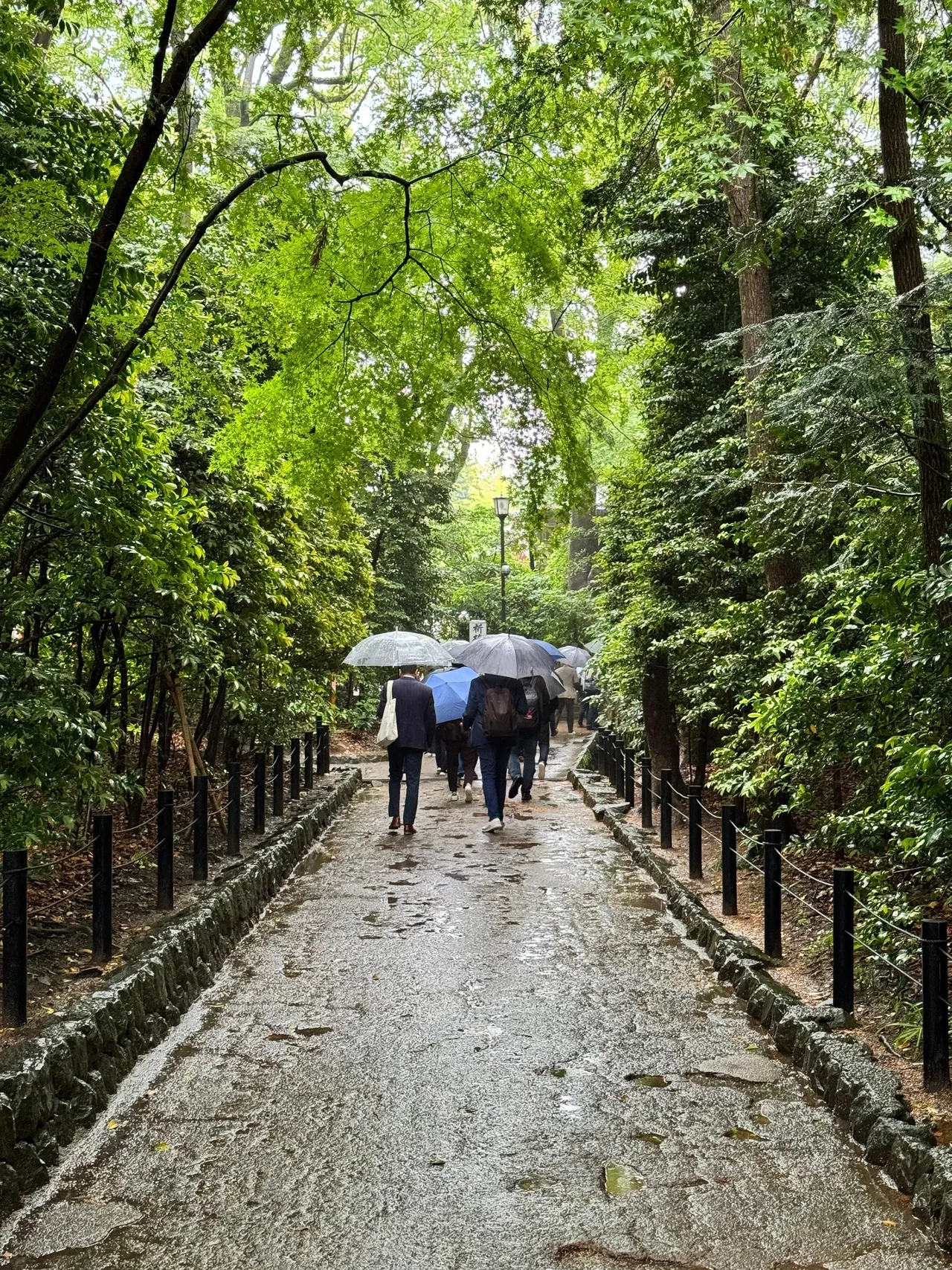
During the Reflective Mindset of the IMPM, canoeing on Grasmere Water while Wordsworth was read, walking through the Lake District and reflecting together in a candlelit cave made something visible to me: learning was happening through more than content. Movement, landscape, relation, bodily sensation and reflection were participating in the experience.
That question became my Master’s work on embodiment in management education and later the starting point for this PhD: How can management education enable conditions for embodied learning?
A cultivated embodied orientation
I come to this work with a cultivated attentiveness to sound, sky, colour, sea, movement, taste, food, atmosphere, bodily energy, relationship and the aesthetic quality of a moment. Travel, photography, video, making and the creation of visual memories have long been part of how I attend, remember and make meaning.
This is a positionality, not a claim to be more embodied than anyone else. It explains why certain conditions became visible to me and why I am drawn to the traces that lived moments leave behind.
Why document?
A photograph, recording, drawing or emblog never contains the whole experience. It can preserve a fragment and, for the person who lived it, prompt a situated re-encounter with place, sensation, relationship, memory and meaning. Embodyography treats these traces as prompts, not proofs.
The Embodyography logo
Why the logo looks this way
The logo brings together my learning journey, embodied inquiry and artistic practice. The surrounding arc traces my IMPM journey through Lancaster, Montreal, Bangalore, Yokohama and Rio de Janeiro, marking my master’s and PhD along the way. The arc remains open: the journey continues.
At its centre, an embodied figure connects cognitive engagement, interaction, somatic integration, mobility, and space (Ba). The head attends and reflects; one arm reaches towards others, while the other opens to bodily experience. One foot steps into movement, while the other remains grounded in place and relation.
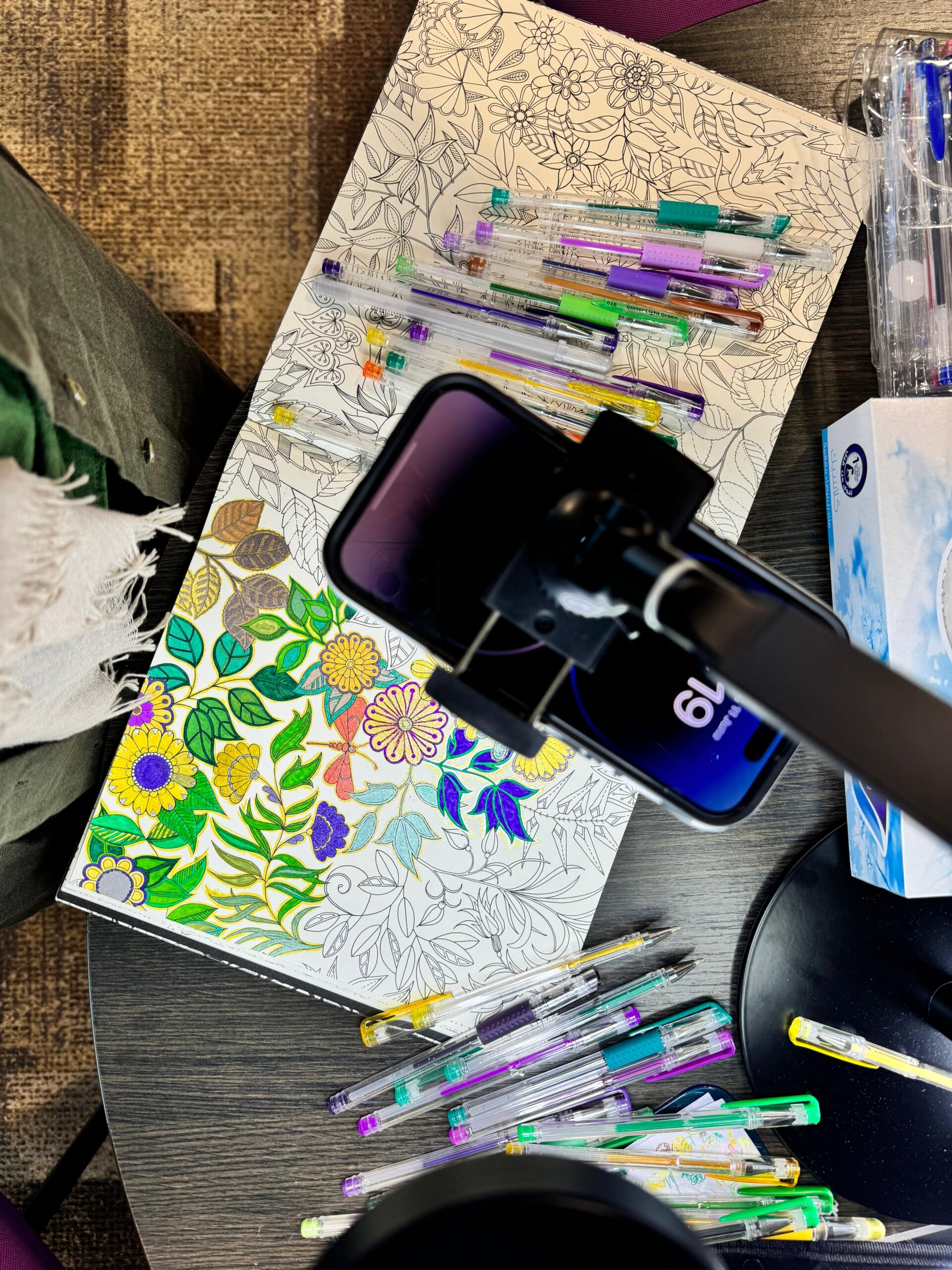
The patterns woven through the figure express my zentangling, an artistic practice that forms part of how I undertake the PhD. The diamond represents drawing and writing taking shape, while the three dots suggest an inquiry still unfolding. Together, these elements connect artful inquiry with embodyography: experience taking shape in writing.

IMPM Journey
Lancaster
Montreal
Bangalore
Yokohama
Rio de Janeiro
Interaction
the reaching arm: connecting with others
Master’s
a milestone along the journey
PhD
the journey continues: an open arc ahead
Mobility
the stepping foot: learning through movement
The Three Dots
an inquiry still unfolding
The Diamond
drawing and writing taking shape
Cognitive Engagement
the head: attending and reflecting
Somatic Integration
the open arm: bringing bodily experience into learning
Artful Inquiry
zentangling my way through the PhD
Space and Ba
the planted foot: grounded in place and relation
The people behind the research
This area follows the Leadership Team layout on flyward.com/about: one featured person shown large, then the team as a row of portraits. Here, the researcher is featured and the three supervisors follow, in this order.
The Featured Researcher
The Supervisory Team
The scholars guiding this doctoral inquiry at Lancaster University Management School.
What this space hopes to be
A place to think without leaving the body behind
A place to sense without abandoning rigour
A place to live, dream, question, document, revise and become more attentive to the conditions through which knowing takes shape.
